
Diesel Engine Maintenance
Keeping Your Diesel Engine Running: Simple Maintenance Tips for Long-Term Efficiency
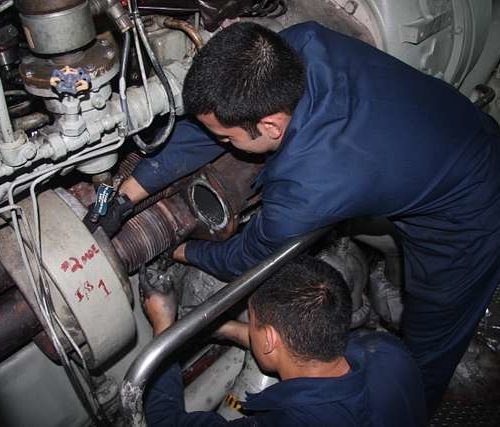
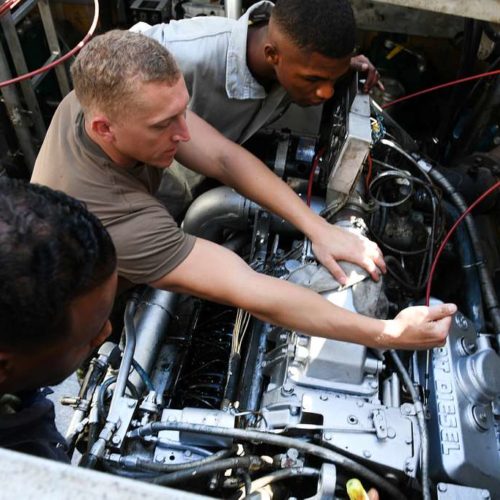
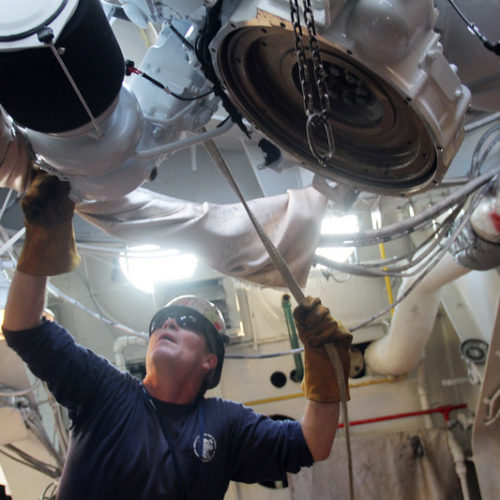
To keep your diesel engine running smoothly for years, start with regular oil checks. Check the oil monthly, ensuring it looks amber and clear, changing it every 5,000 to 7,500 miles as needed. Don’t ignore the air filter; replace it when it’s dirty to maintain good airflow. Monitor coolant levels to prevent overheating, using a 50/50 mix of antifreeze and water unless otherwise specified. Lastly, use high-quality diesel and replace fuel filters regularly to keep contaminants at bay. Maintaining these key components ensures long-term efficiency, and there’s more you can do for even better performance.
How Regular Oil Checks Keep Your Diesel Engine in Top Shape
When it comes to maintaining your diesel engine, regular oil checks are crucial. Your engine’s oil isn’t just a lubricant; it’s the lifeblood that keeps all the moving parts working smoothly.
By checking the oil regularly, you ensure that it’s at the right level and free of contaminants. Dirty or low oil can lead to increased friction, overheating, and eventually, severe engine damage.
Start by checking your oil at least once a month. Make sure the engine is cool, and your vehicle is on a level surface. Remove the dipstick, wipe it clean, reinsert it, and then check the level. The oil should be amber and clear. If it appears dark or gritty, it’s time for an oil change.
Regular oil changes—typically every 5,000 to 7,500 miles—are essential. Always use the oil type recommended by your vehicle’s manufacturer. High-quality oil ensures better performance and extends the engine’s lifespan.
Don’t underestimate the importance of oil filters either. A clean filter traps harmful debris, preventing them from circulating through your engine.
In short, consistent oil checks and timely changes are key to keeping your diesel engine in top shape.
The Role of Air Filters in Maintaining Peak Engine Performance
A clean air filter is one of the most essential components for maintaining peak engine performance in your diesel vehicle. It ensures that only clean air enters the engine, which is crucial for optimal combustion.
When your air filter is dirty or clogged, it restricts airflow, causing your engine to work harder. This not only reduces fuel efficiency but also increases wear and tear on engine components.
By regularly checking and replacing your air filter, you can prevent contaminants like dust, dirt, and debris from entering the engine. These contaminants can cause engine damage over time, leading to costly repairs. An efficient air filter helps maintain the right air-to-fuel ratio, ensuring smooth engine performance and reducing emissions.
You don’t need any special tools to inspect the air filter. Simply remove it, hold it up to the light, and see if light passes through. If it looks dark or clogged, it’s time for a replacement.
It’s a quick and easy task that can make a significant difference in your vehicle’s performance and longevity.
Keep your diesel engine running smoothly by paying attention to the condition of your air filter.
Coolant Levels: A Key to Preventing Overheating in Diesel Engines
Properly maintaining coolant levels is essential for preventing overheating in diesel engines. Without the right coolant levels, your engine’s temperature can rise rapidly, leading to potential damage and costly repairs.
You should check the coolant reservoir regularly, ensuring it’s filled to the marked level. When checking, make sure the engine is cool to avoid any risk of burns or injuries. You can use a mix of antifreeze and water, typically in a 50/50 ratio, unless your vehicle’s manufacturer recommends a different blend.
The antifreeze not only prevents freezing but also raises the boiling point of the coolant, providing better protection. Look out for any signs of coolant leaks. Puddles under your vehicle or a low coolant level could indicate a leak, which should be addressed immediately.
Inspect hoses and connections for any signs of wear or damage. It’s also a good idea to flush the cooling system periodically. Over time, contaminants and debris can build up, reducing efficiency.
Fuel System Care: Simple Steps to Avoid Costly Repairs
After ensuring your engine stays cool, it’s equally important to focus on fuel system care to keep your diesel engine running smoothly.
Start by always using high-quality fuel. Low-grade diesel can contain contaminants that clog injectors and fuel filters, leading to poor performance and costly repairs.
Regularly check and replace your fuel filters. Diesel fuel filters trap impurities, preventing them from entering the engine. However, over time, these filters can become clogged, restricting fuel flow and straining the engine. Follow your manufacturer’s guidelines to know when it’s time for a replacement.
Water contamination is another enemy of diesel engines. Diesel fuel can attract water, which can cause corrosion and damage fuel injectors. Invest in a good water separator and drain it frequently to keep your fuel system dry.
Don’t forget to use diesel fuel additives. These additives can improve fuel quality, enhance lubrication, and clean the injectors. They’re especially useful during cold weather to prevent fuel gelling.
Lastly, inspect your fuel lines for leaks or damage. Cracked or worn fuel lines can lead to leaks, reducing fuel efficiency and potentially causing serious engine issues. Regular inspections will help you catch problems early and avoid expensive repairs.