
Commercial Truck Engine Repair: Tackling Big Problems Before They Get Bigger
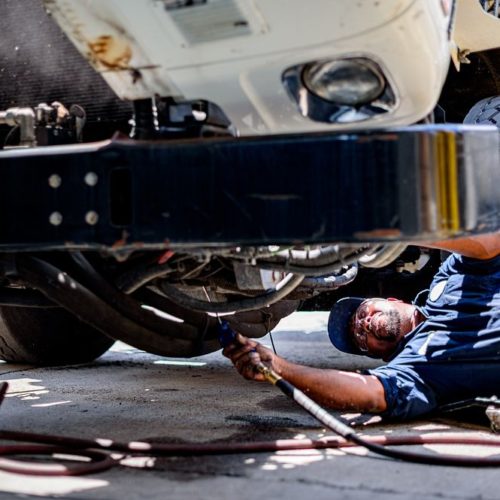


Don’t ignore early signs of engine trouble in your commercial truck, like unusual noises, warning lights, or decreased power. Catching issues like worn gaskets, failing fuel injectors, or turbocharger wear early can save you from costly repairs down the road. Small leaks might seem minor, but they can lead to severe damage if left unchecked. Regular maintenance, including oil changes and fluid checks, is vital for keeping your fleet running smoothly. Invest in diagnostics and training for your team to spot problems early. Continue exploring to learn how addressing issues promptly ensures your trucks stay on the road longer and avoid expensive downtime.
Recognizing Early Signs of Engine Trouble in Commercial Trucks
Recognizing early signs of engine trouble in commercial trucks can save you time and money down the road. By keeping an eye on key indicators, you’ll prevent small issues from becoming costly repairs.
Start by listening to your truck. Unusual noises, like knocking or hissing, often signal a problem. Don’t ignore these sounds; they’re your truck’s way of telling you something’s wrong.
Next, pay attention to your dashboard. Warning lights, especially the check engine light, should never be overlooked. These lights are designed to alert you to potential problems before they escalate.
Additionally, monitor your truck’s performance. If you notice decreased power, poor fuel efficiency, or difficulty starting, it’s time to investigate.
Regularly check for leaks under your truck. Fluids like oil, coolant, and transmission fluid shouldn’t be pooling on the ground. Leaks can indicate worn-out seals or gaskets, which need immediate attention.
Also, watch for excessive exhaust smoke. Blue, white, or black smoke can each point to different engine problems.
Common Engine Repairs for High-Mileage Trucks
When it comes to high-mileage trucks, engine repairs become a frequent necessity to keep them on the road.
You’ll often deal with issues like worn-out gaskets, which can lead to oil leaks and decreased engine performance. Replacing these gaskets promptly can prevent more severe damage down the line.
Another common repair involves the turbocharger. High-mileage trucks put a lot of strain on this component, causing it to wear out faster. A failing turbocharger can drastically reduce your engine’s efficiency, so replacing it when you notice signs of failure is crucial.
Fuel injectors also tend to fail in high-mileage engines. When they’re clogged or malfunctioning, your truck can experience poor fuel economy and loss of power. Regular cleaning or replacement of fuel injectors can help maintain optimal engine performance.
You might also encounter issues with the timing belt or chain. Over time, these components can stretch or break, leading to catastrophic engine damage if not addressed.
Regular inspection and timely replacement are key to avoiding major problems.
Why Ignoring Small Leaks Can Lead to Major Engine Overhauls
Overlooking small leaks in a high-mileage truck’s engine can escalate into significant problems that necessitate major overhauls. When you notice a minor oil or coolant leak, it’s tempting to dismiss it as inconsequential. However, these seemingly minor issues can lead to severe engine damage over time.
Leaks often cause fluid levels to drop, leading to inadequate lubrication or cooling. This can result in overheating, increased friction, and ultimately, engine failure.
By not addressing small leaks promptly, you’re allowing contaminants to enter the engine system, causing corrosion and wear. Seals and gaskets can deteriorate faster, and parts like the water pump or turbocharger might suffer from insufficient lubrication. The costs associated with these repairs far exceed the expense of fixing a small leak early on.
Ignoring leaks can also result in reduced performance and fuel efficiency. A poorly lubricated engine works harder, consuming more fuel and putting additional strain on its components. Over time, this can lead to a cascade of failures requiring extensive and costly overhauls.
Keeping Fleet Engines Running: Maintenance Strategies for Trucking Companies
Effective maintenance strategies are crucial for keeping your fleet’s engines running smoothly and minimizing downtime. Implementing a robust preventive maintenance program is your first line of defense.
Regularly scheduled oil changes, filter replacements, and fluid checks can drastically extend engine life. Don’t wait for warning lights; proactive measures save you costly repairs down the line.
Next, invest in diagnostic tools and train your team to use them effectively. These tools can identify potential issues before they become serious problems. By catching anomalies early, you can address them promptly and avoid unexpected breakdowns that disrupt your operations.
Monitoring engine performance through telematics is another game-changer. Telematics provide real-time data on engine health, allowing you to make informed decisions about when to service specific trucks.
This data-driven approach ensures that maintenance is performed only when necessary, optimizing your resources.
Additionally, keep a detailed maintenance log for each vehicle. Track every service, repair, and inspection. This record helps you identify patterns and recurring issues that might indicate larger problems.